Open Vision Research Home

Category

Research & Technology

6 articles

Focusing on the Wrong Problem: The Vergence-Accommodation Conflict and the Neurophysiological Limits of Virtual Reality

Focusing on the Wrong Problem: The Vergence-Accommodation Conflict and the Neurophysiological Limits of Virtual Reality

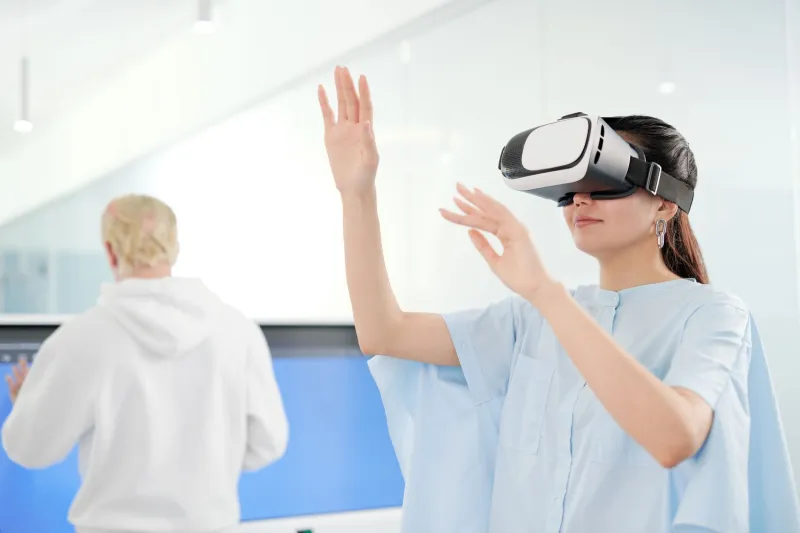
Virtual reality has transformed entertainment, medicine, and military training—yet a stubborn quirk of human visual neurophysiology continues to undermine its promise. The vergence-accommodation conflict, a fundamental mismatch between where the eyes rotate and where they focus in stereoscopic displays, generates measurable visual fatigue and cybersickness that no software patch can fully resolve. Researchers across optics, neuroscience, and human factors engineering are now racing to understand
Eye Movements, Reading, and the Contested Neuroscience of Dyslexia's Visual Dimension

Eye Movements, Reading, and the Contested Neuroscience of Dyslexia's Visual Dimension

A growing body of neuroimaging and oculomotor research is complicating the long-dominant phonological model of dyslexia by documenting measurable differences in how the eyes of poor readers move across text. Yet the field remains sharply divided over whether these findings represent a cause, a consequence, or a parallel manifestation of underlying neurodevelopmental differences. Parsing the evidence with precision has never been more important.

When Two Eyes Disagree: Binocular Rivalry as a Laboratory for the Neuroscience of Conscious Vision

When Two Eyes Disagree: Binocular Rivalry as a Laboratory for the Neuroscience of Conscious Vision

Binocular rivalry—the perceptual oscillation that occurs when each eye receives a distinct, incompatible image—has become one of the most productive experimental paradigms in consciousness research. Neuroimaging studies are revealing how the brain arbitrates between competing visual signals, while the phenomenon's clinical extensions are shedding new light on amblyopia, schizophrenia, and the neural architecture underlying perceptual awareness itself.

Vision Therapy and Learning: Parsing the Clinical Evidence From the Commercial Narrative

Vision Therapy and Learning: Parsing the Clinical Evidence From the Commercial Narrative

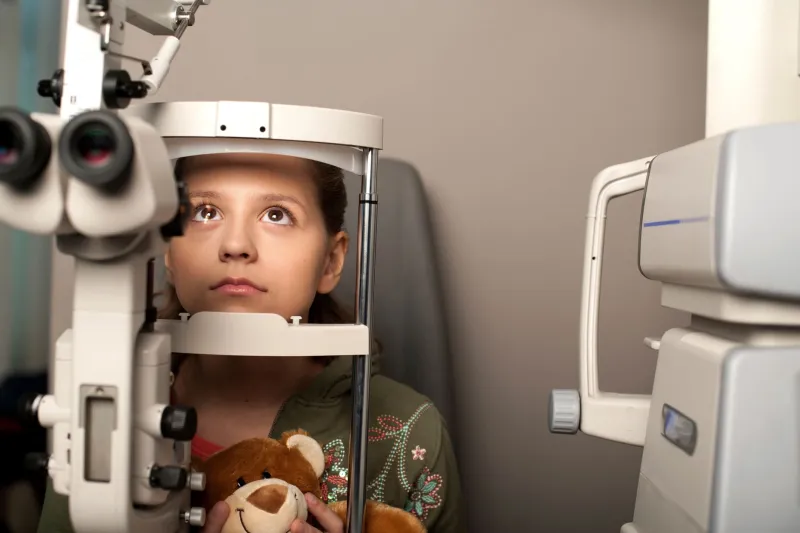
Vision therapy for reading disorders and learning disabilities occupies an unusually contentious space in clinical practice—simultaneously championed by some optometric practitioners and questioned by pediatric neurologists and reading researchers. A careful review of the peer-reviewed literature reveals a more nuanced picture than either proponents or critics typically acknowledge. This article examines what the evidence actually demonstrates, where the research gaps remain, and how clinicians

The Diagnostic Power of the Darting Eye: Saccadic Research and Neurological Disease Detection

The Diagnostic Power of the Darting Eye: Saccadic Research and Neurological Disease Detection

Advanced eye-tracking technology is enabling researchers to detect minute irregularities in saccadic eye movements—the rapid, ballistic shifts of gaze that the brain executes thousands of times each day—as potential early biomarkers for Parkinson's disease, schizophrenia, and autism spectrum disorders. As clinical validation efforts intensify across U.S. research institutions, the prospect of a non-invasive ocular screening protocol for neurological conditions is moving steadily from theoretical

Neural Networks and the Retina: How Machine Learning Is Redefining Disease Detection in Ophthalmology

Neural Networks and the Retina: How Machine Learning Is Redefining Disease Detection in Ophthalmology

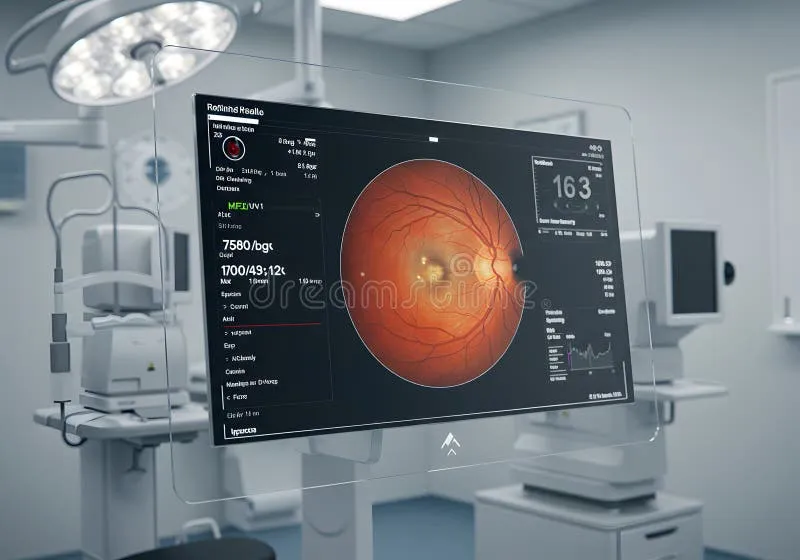
Artificial intelligence is rapidly transforming how clinicians and researchers interpret retinal imagery, offering diagnostic precision that rivals — and in some domains surpasses — human expertise. From diabetic retinopathy screening to early-stage macular degeneration identification, machine learning algorithms are compressing diagnostic timelines and expanding access to specialized care. Yet the path from laboratory validation to widespread clinical adoption remains fraught with methodologica